Gumbo in Lacey, WA: A Southern Classic with Pacific Northwest Flavor
Gumbo in 100 Words
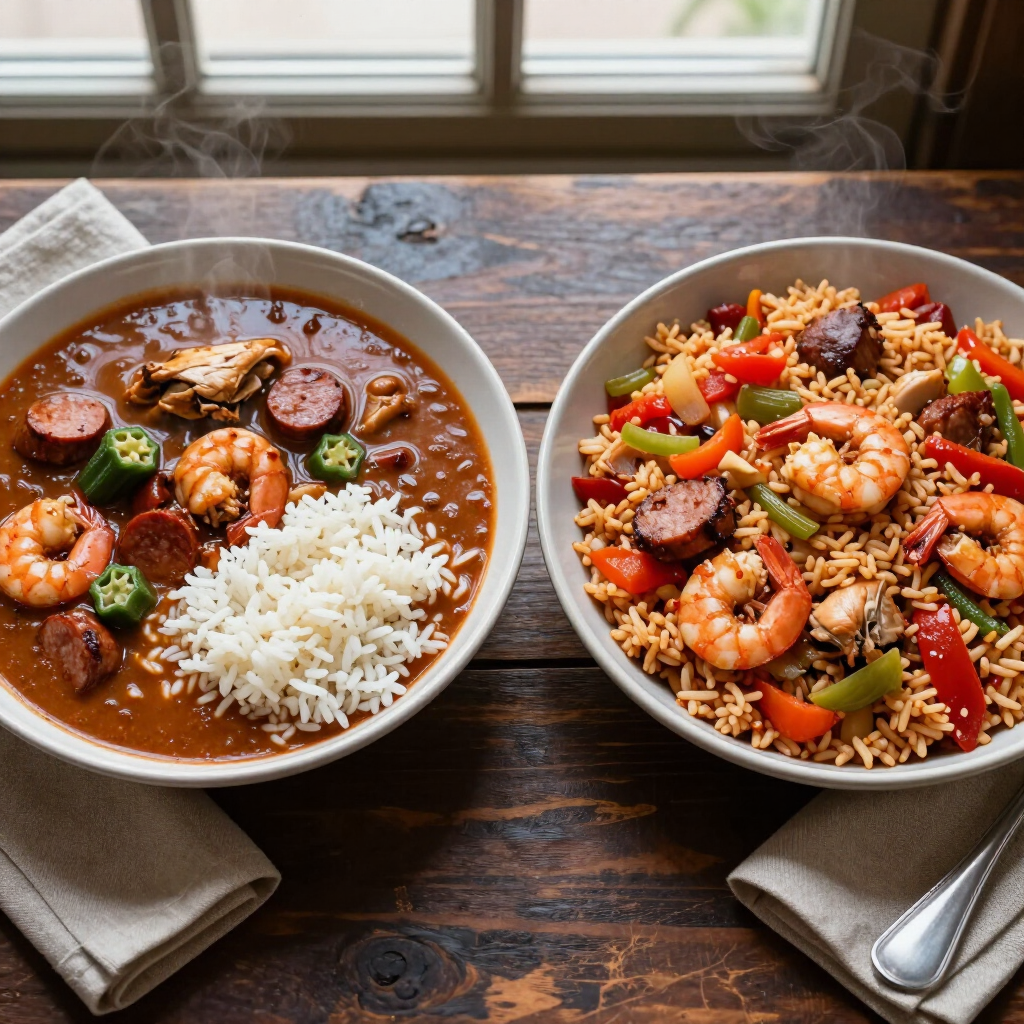
When Washington’s cool air and steady rain settle in, few dishes offer the warmth and depth of a well-made gumbo. Rich, hearty, and layered with bold Cajun flavor, gumbo is one of the South’s most beloved comfort foods — and it has found a loyal following right here in Lacey, WA. At Beau Legs Fish & Chips, gumbo combines traditional Louisiana cooking techniques with the freshness of Pacific Northwest seafood. Slow-simmered with shrimp, sausage, vegetables, and a deeply developed roux, every bowl delivers comfort, complexity, and authenticity that keeps guests coming back for more.
The Deep Roots of Gumbo
Gumbo isn’t just a recipe — it’s a cultural story in a bowl. Originating in Louisiana, gumbo reflects the blending of African, French, Spanish, and Native American culinary traditions. The name itself is believed to come from the West African word for okra, one of the dish’s early thickening ingredients.
Over generations, gumbo evolved into a staple of Southern homes, especially in Louisiana. It became central to:
- Family gatherings
- Sunday dinners
- Community celebrations
- Holiday traditions
Each region — and even each household — developed its own variation. Some versions lean heavier on seafood. Others emphasize sausage or chicken. But all share one essential element: deep, layered flavor built through time and care.
At Beau Legs, that tradition is respected and preserved while being introduced to a Pacific Northwest audience.
The Foundation: A Proper Roux
The heart of gumbo is the roux. A roux is made by slowly cooking flour and fat together until it darkens into a rich brown paste.
This step cannot be rushed. A properly developed roux:
- Adds nutty depth
- Thickens the broth
- Creates gumbo’s signature dark color
- Builds foundational flavor
Cooking a roux requires patience and attention. Too light, and the gumbo lacks complexity. Too dark, and it risks bitterness.
At Beau Legs, careful preparation ensures the roux forms the strong base that gives their gumbo its authentic Southern character.
The “Holy Trinity” of Southern Cooking
Another defining feature of gumbo is the use of the “Holy Trinity”:
- Onions
- Celery
- Bell peppers
These vegetables are sautéed and blended into the roux, creating aromatic depth. They provide balance to the richness and give gumbo its recognizable flavor profile.
Combined with garlic and seasoning, they help transform simple ingredients into something deeply satisfying.
Seafood Gumbo Meets Northwest Freshness
While gumbo is rooted in Louisiana tradition, it pairs naturally with Washington’s seafood culture. The Pacific Northwest’s access to quality seafood makes Lacey an ideal place for this Southern classic.
At Beau Legs, gumbo typically features:
- Tender shrimp
- Savory sausage
- Well-seasoned broth
- Rice served beneath the stew
Shrimp brings sweetness and delicate texture, while sausage contributes smoky depth. The seafood element feels perfectly at home in Washington, where fresh fish and shellfish are part of daily dining culture.
This blending of Southern technique with Northwest seafood creates a gumbo that feels authentic yet regionally appropriate.
Why Gumbo Is Perfect for Washington Weather
The Pacific Northwest is known for its long, gray winters and steady rainfall. During these months, comfort food becomes essential.
Gumbo works particularly well in Washington because it is:
- Served hot and steaming
- Hearty enough to satisfy hunger
- Deeply flavorful without being overly heavy
- Ideal for both lunch and dinner
On a rainy afternoon in Lacey, few meals provide the same warmth and satisfaction as a bowl of gumbo paired with hushpuppies or a po’boy.
Flavor Complexity: What Makes Gumbo Special
Gumbo isn’t defined by spice alone. It’s defined by balance.
In a well-made gumbo, you’ll notice:
- Savory richness from the roux
- Subtle heat from Cajun seasoning
- Natural sweetness from shrimp
- Smoky undertones from sausage
- Earthiness from vegetables
- Depth from slow simmering
The ingredients don’t compete — they complement each other. Every spoonful offers something slightly different, which keeps the dish exciting from start to finish.
Gumbo vs. Other Seafood Stews
Some diners unfamiliar with Southern cuisine compare gumbo to clam chowder or seafood soup. While there are similarities, gumbo stands apart.
| Feature | Gumbo | Clam Chowder | Seafood Soup |
|---|---|---|---|
| Base | Dark roux | Cream-based | Broth-based |
| Texture | Thick and rich | Creamy | Light |
| Spice | Cajun seasoning | Mild | Mild to moderate |
| Served Over Rice | Yes | No | Rarely |
Gumbo’s boldness and complexity distinguish it from typical Northwest stews. It’s more robust, layered, and deeply savory.
Why Locals Keep Coming Back for Gumbo
For many Lacey residents, gumbo at Beau Legs started as something new — a dish they hadn’t tried before. But curiosity often turns into habit.
Reasons guests return for gumbo:
- It’s comforting during cold weather
- It offers flavor variety compared to typical seafood
- It feels homemade and authentic
- It pairs well with other Southern dishes
Some regulars order it every visit. Others rotate it into their meals when temperatures drop. Either way, gumbo has become a signature item that defines Beau Legs’ Southern identity.
Pairing Gumbo with Other Menu Favorites
Gumbo stands alone as a complete meal, but it also pairs beautifully with other dishes. Popular combinations include:
- Gumbo + Shrimp Po’Boy
- Gumbo + Fried Catfish
- Gumbo + Seafood Platter
- Gumbo + Hushpuppies
These pairings allow guests to explore multiple flavors while enjoying the comfort of Southern cuisine.
Gumbo for Gatherings and Catering
Gumbo isn’t just popular for dine-in meals — it’s also a favorite for group dining and catered events.
Its benefits for gatherings include:
- Easy portioning
- Holds heat well
- Travels effectively for takeout
- Feeds large groups efficiently
- Appeals to both adventurous and comfort-focused diners
For holiday parties, corporate lunches, or family celebrations in Thurston County, gumbo adds something distinctive and memorable.
Frequently Asked Questions
Is gumbo very spicy?
Gumbo has a gentle Cajun heat, but it focuses more on depth than extreme spice.
Does Beau Legs’ gumbo contain seafood?
Yes. Shrimp is typically included along with sausage and vegetables.
Is gumbo filling enough as a full meal?
Absolutely. Served over rice, it’s hearty and satisfying.
What makes gumbo different from jambalaya?
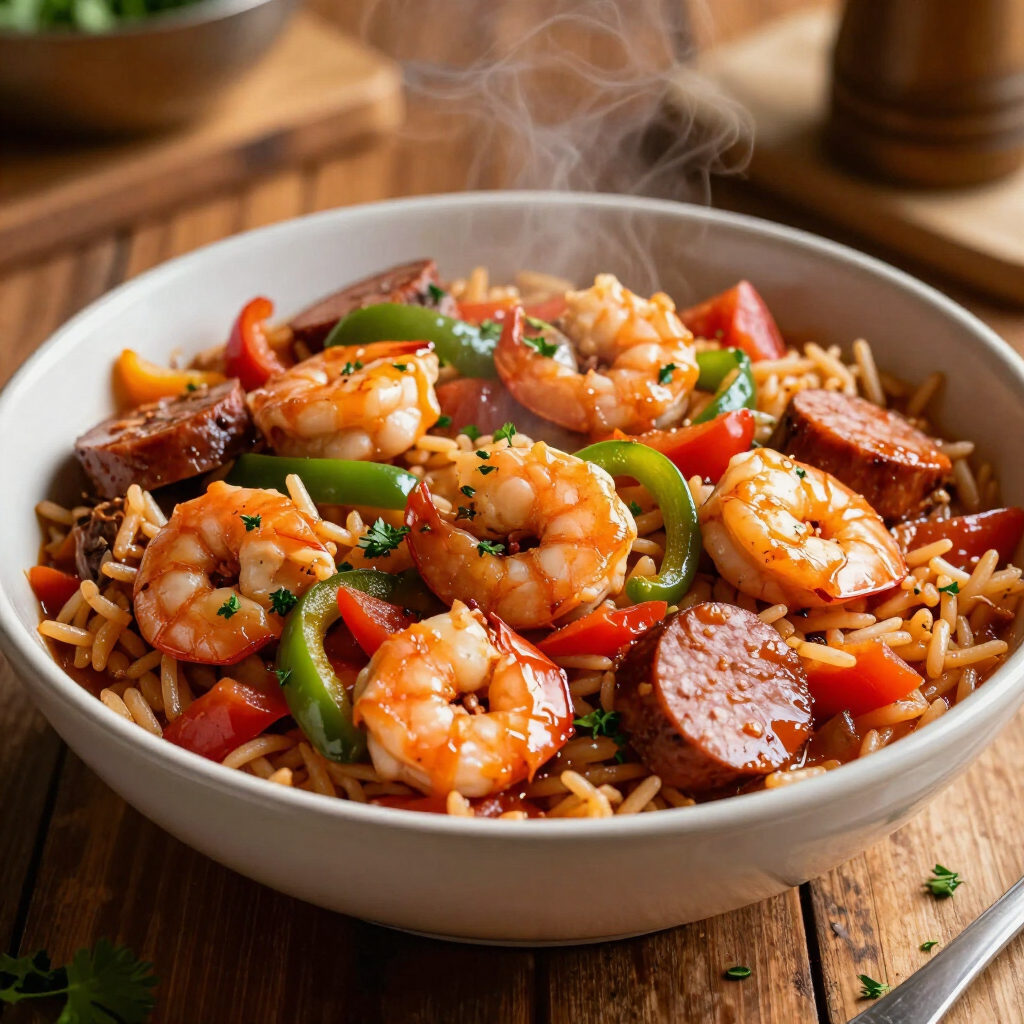
Gumbo is a stew served over rice, while jambalaya is a rice dish cooked with ingredients mixed in.
Is gumbo available year-round?
Yes, though it becomes especially popular during cooler months.
A Southern Tradition That Feels at Home in Lacey
Bringing gumbo to Lacey wasn’t just about expanding the menu — it was about introducing a tradition. Gumbo carries history, culture, and generations of Southern cooking in every bowl.
At Beau Legs Fish & Chips, that heritage is honored while embracing the Pacific Northwest’s love for seafood. The result is a dish that feels authentic yet perfectly suited for Washington diners.
Whether you’re new to Cajun cuisine or grew up enjoying Southern flavors, gumbo at Beau Legs offers something deeply satisfying: warmth, richness, and connection.
And on a rainy Washington evening, that’s exactly what many diners are looking for.
Recent Posts